The Science of Blood Sugar Regulation on a Modified Carnivore Diet
- Randy Justus
- Jun 27
- 3 min read

Disclaimer: This paper is for informational and educational purposes only, based on research available as of early 2026. It does not endorse the use of unapproved compounds. This information is for informational purposes only and does not replace professional medical advice. Always consult a licensed healthcare provider for concerns about your health.
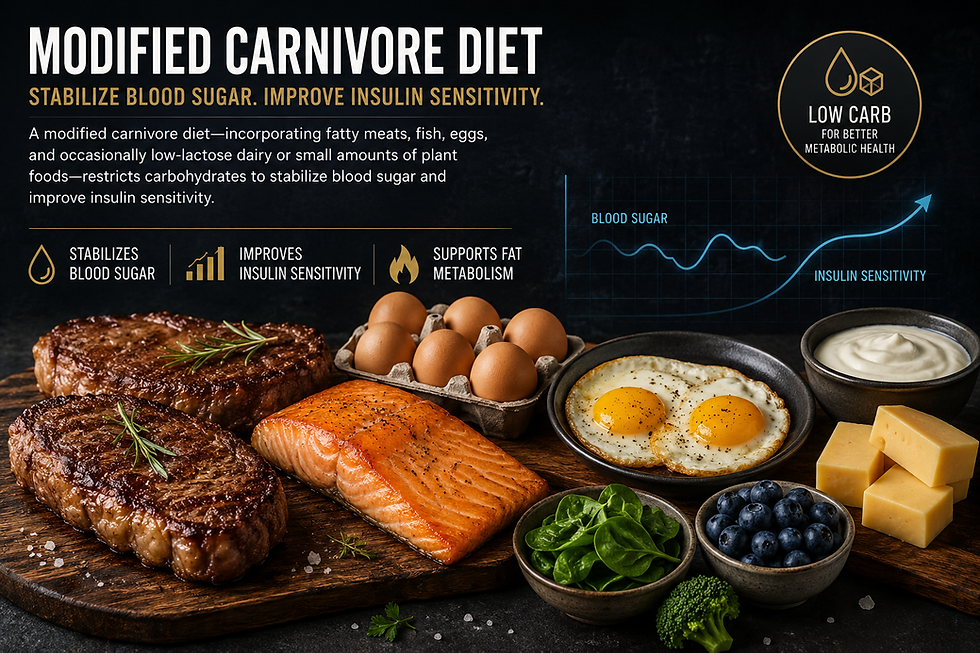
A modified carnivore diet—incorporating fatty meats, fish, eggs, and occasionally low-lactose dairy or small amounts of plant foods—restricts carbohydrates to stabilize blood sugar and improve insulin sensitivity. However, individuals with diabetes taking medication must consult a doctor, as drastically reducing carbohydrates can risk severe hypoglycemia.
The Science of Blood Sugar Regulation
The standard carnivore diet is the ultimate form of a low-carb, high-fat (LCHF) or ketogenic diet. Because carbohydrates are the primary dietary driver of blood glucose spikes, eliminating them allows for near-zero glycemic impact.
When you consume only animal products, your blood sugar and insulin levels remain consistently low and steady. This state forces the body to burn fat for fuel instead of relying on exogenous glucose. Furthermore, because the body requires glucose for certain functions, it produces exactly what it needs from fats and amino acids through a metabolic process called gluconeogenesis.
Benefits for Metabolic Health
Research and clinical case studies suggest that extremely low-carb, animal-based protocols may offer several metabolic benefits for individuals struggling with insulin resistance:
Lowered HbA1c: Studies, including a 2025 review on very low-carb diets, show significant average A1c reductions.
Medication Reduction: Decreased carbohydrate intake often drastically drops insulin requirements, which may help some Type 2 diabetics reduce or eliminate their need for oral medications.
Visceral Fat Loss: High-protein and high-fat diets can promote prolonged satiety, potentially accelerating weight loss and reducing fatty deposits in the liver and abdomen.
Reduced Inflammation: The diet naturally eliminates common inflammatory triggers like refined sugars, processed grains, and seed oils.
Understanding the "Modified" Carnivore Approach
A strict carnivore diet (only meat, water, and salt) can be difficult to sustain and may lack certain nutrients, such as Vitamin C and dietary fiber. Because of this, many people with diabetes adopt a modified carnivore diet.
This flexible approach often includes:
Bone Broth: Provides easily digestible electrolytes and gut-supporting nutrients.
Organ Meats: Incorporating liver and heart helps ensure adequate micronutrient intake (e.g., B-vitamins, iron, and zinc).
Limited Plant Inclusions: Small servings of low-glycemic, fibrous vegetables or specific low-sugar fruits may be added occasionally to support digestion and nutrient diversity.
Risks and Considerations
While the diet has shown promise for metabolic syndrome and Type 2 diabetes, it requires careful navigation:
Hypoglycemia Risk: If you are taking insulin or sulfonylureas, your body’s demand for glucose-clearing drops drastically when carbohydrates are removed. Continuing full medication doses without rapid medical adjustment can result in dangerous low blood sugar episodes.
Cardiovascular Concerns: The high saturated fat content can cause significant spikes in Low-Density Lipoprotein (LDL) cholesterol in some individuals, requiring close monitoring by a physician.
Gluconeogenesis Overload: Eating too much lean protein without enough fat can cause protein to be converted into glucose, elevating blood sugar.
Type 1 Diabetes Nuance: While some Type 1 diabetics attempt this diet to achieve tight blood sugar control and reduce insulin dosage, it requires stringent management, a Continuous Glucose Monitor (CGM), and expert medical guidance to prevent dangerous fluctuations.
References
Reversing 20 years of diabetes using the carnivore diet in India: a case report https://pmc.ncbi.nlm.nih.gov/articles/PMC13007801/
All Meat, All the Time: Should People with Diabetes Try the Carnivore Diet? https://www.healthline.com/health/diabetes/carnivore-diet-for-diabetes
The Carnivore Diet and Blood Sugar: Can Zero Carbs Control Diabetes? https://www.mannahealth.ai/blog/carnivore-diet-blood-sugar-zero-carb-diabetes



Comments